Paulownia Wooden Box "Kiribako"

Discover the Art of the Japanese Gift Box: Tradition, Elegance, and Meaning
In Japanese culture, a gift is never just about the item inside—it’s about the presentation, the care, and the intention behind it. The Japanese gift box is a perfect example of this philosophy: beautifully crafted, rich with tradition, and designed to express respect and sincerity. Kiribako: Timeless Beauty in Paulownia Wood One of the most iconic examples of Japanese gift boxes is the kiribako, a box made from paulownia wood. Known for its lightweight, moisture-resistant, and insect-repelling properties, paulownia has been used for centuries to store precious items—from tea utensils to fine kimono. Today, it’s still used to present luxury gifts and traditional crafts, making the unboxing experience deeply meaningful. […]

Eco-Friendly Wooden Boxes: Timeless Packaging with a Purpose
In a world increasingly focused on sustainability, packaging is no longer just about protecting a product—it’s about telling a story. That’s where the eco-friendly wooden box comes in. Crafted from natural materials and steeped in tradition, these boxes offer a beautiful, responsible way to present a gift or preserve an item. What Is an Eco-Friendly Wooden Box? An eco-friendly wooden box is typically made from sustainable sources like paulownia wood (kiribako)—a fast-growing, renewable tree. These boxes are biodegradable, reusable, and often hand-finished without harmful chemicals or plastics. They offer not only durability and beauty but also peace of mind for consumers who care about their environmental footprint. The Japanese Gift […]
Why Paulownia Wood is Ideal for Gift Boxes – Lightweight, Durable & Sustainable
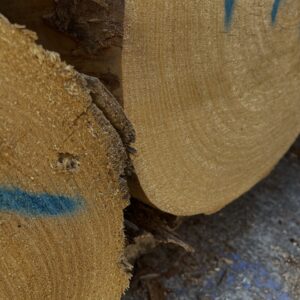
Fast growing Paulownia trees take about 15 to 20 years to grow to the point where they can be used as a material after being planted. Generally speaking, it takes about 80 years for a cedar tree to grow and about 40 years for a pine tree. Paulownia wood can be used as lumber in a quarter to half of that time. In addition, paulownia trees can be cut down two or three times and still grow again. Since it can be converted into a resource quickly, using paulownia as a material eliminates the need to cut down trees that take a long time to recover. In other words, by […]

Types of autograph "Hakogaki" on paulownia boxes
The first point in connoisseurship of tea utensils is the paulownia box. It may seem surprising, by looking at the condition of the paulownia box rather than the product, you can get some idea of what the product inside looks like. Types of "Hakogaki" There are three main types of "Hakogaki", They are called "Kakitsuke-bako," "Kiwame-bako," and "Tomobako" "Kakituke-bako" This is a paulownia box autopraphed by a person of authority, such as a head of a tea ceremony party or a high priest, writes the name of the work of art. "Kiwame-box" A professional connoisseur (in the case of Raku tea bowls, Raku Kichizaemon of the present generation) has appraised […]
Why is "Yakimono" Japanese pottery and porcelain so attractive?
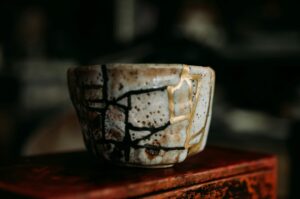
Japanese ceramics are highly regarded not only for their role in serving as vessels, but also as crafts. What is the background behind the fact that pottery has flourished so much in Japan and is loved by so many people? The starting point of its appeal is the diversity that has emerged from its long history. Japanese pottery began more than 10,000 years ago with Jomon earthenware. From there, it developed along with the rice culture during the Yayoi period(c. 300 BCE - 300 CE), resulting in Yayoi earthenware with simple shapes and patterns. Pottery has been used in the daily lives of the Japanese people since that time. Such […]
Handmade Japanese Gift Packaging with Paulownia Wood – Tradition, Elegance & Sustainability
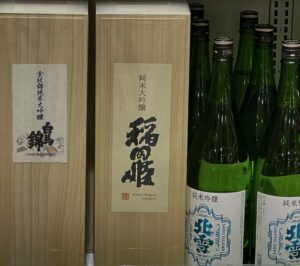
Because of paulownia's excellent properties (lightness, humidity control, fire resistance, insect resistance, etc.), paulownia boxes " Kiribako " have been used for packaging and storage of traditional crafts, beginning with Buddhist ritual utensils, tea ceremony accessories, kimonos, and other items. It has been used from the Heian period (794-1185) to the present. Since Kiribako and autograph on boxes also play a role in determining whether the items are genuine or not, the perception that "paulownia boxed = expensive" has taken root in Japanese culture. Because of this cultural background, the use of Kiribako became popular not only for crafts but also for Japanese gift packaging few decades ago. For example, […]

About paulownia "Kiri"
Characteristic of paulownia Paulownia is a hardwood tree belonging to the family Gramineae. It is a fast-growing tree that can produce wood in a short period of time. It is planted not only in Japan but also overseas as a horticultural tree because of its early growth and beautiful flowers. Also it is the lightest (lowest density) wood in Japan, and has excellent heat insulation and humidity control properties, as well as low shrinkage and swelling rates and low distortion as wood. Among Japanese wooden furniture, paulownia chests are particularly outstanding. History of paulownia and human society in Japan In Japan, there are several emblems based on the white paulownia […]

How Japanese Kiribako Wooden Boxes Are Made – Traditional Paulownia Craftsmanship Explained
STEP 1 Removing Acidity from Wood and Drying Paulownia wood is left out in the rain for about 2 to 3 years to remove the scum, and then dried in a hot bath to further improve the quality of the paulownia wood. If the box is made without sufficient removal of the scum and drying process, it may crack, deform, or discolor, which will affect the finish of the box. STEP 2 Lumbering After removing acidity and drying, the logs are sawn into various sizes and thicknesses for processing. At this time, we sort the lumber to determine its material quality and grain. STEP 3 Frameworking The paulownia wood is […]
How the box culture developed in Japan.
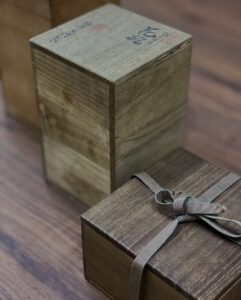
What were the roots of the box in Japan? The box was also introduced from China as a Chinese chest. It can be said that without China, nothing can be said about Japanese culture. The first boxes that came to Japan were used to store Buddhist ritual utensils. This eventually spread to be for sutras, kesa, and Buddhist rosary and so on. In those days, boxes were not necessary for the general public, and only tools related to the noble Buddhist religion were carefully stored and preserved in such boxes. This was also the case with Shintoism.The box was first used to store tools for religious purposes. As the Nara(710-784) […]
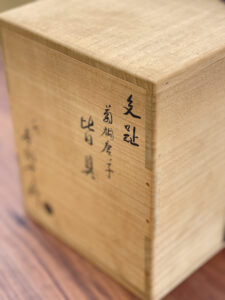
What is Hako-gaki ?
"Hako-gaki" means autograph or note of authentication written on a box containing an artworks. Most of the accessories used for tea ceremonies are sored in a paulownia kiri wooden box " Kiribako "with an Hako-gaki, which is written in black ink. For example, tea bowls and tea accessories made by "Raku ware"(a type of Japanese pottery traditionally used in Japanese tea ceremonies) are often inscribed on the back of the box lid (and sometimes on the front of the lid as well) by Iemoto (the head of the tea ceremony) and other prominent tea masters of the period. The name and origin of the tea accessory that is the contents […]